




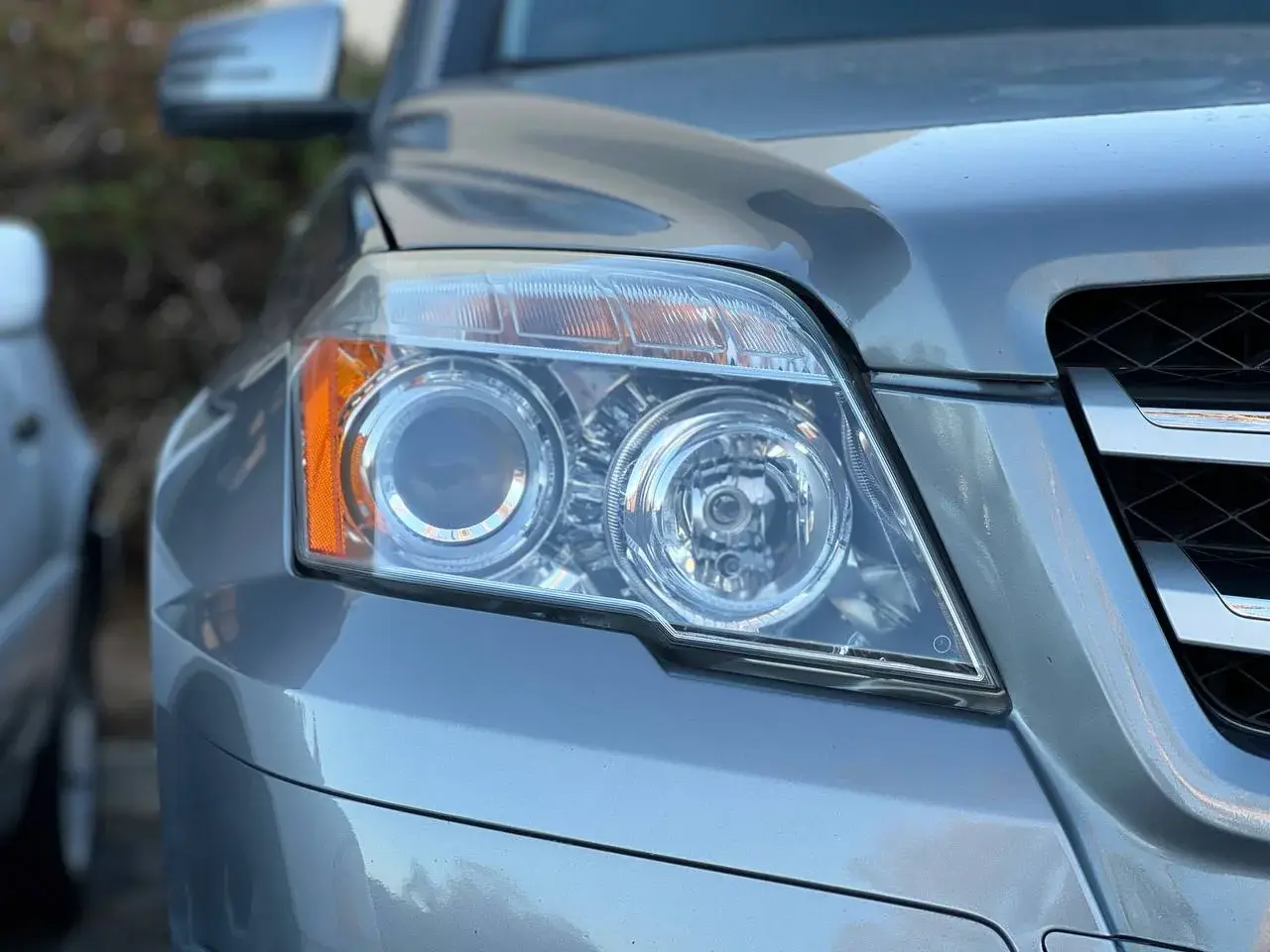
When can a Mercedes headlight be restored?
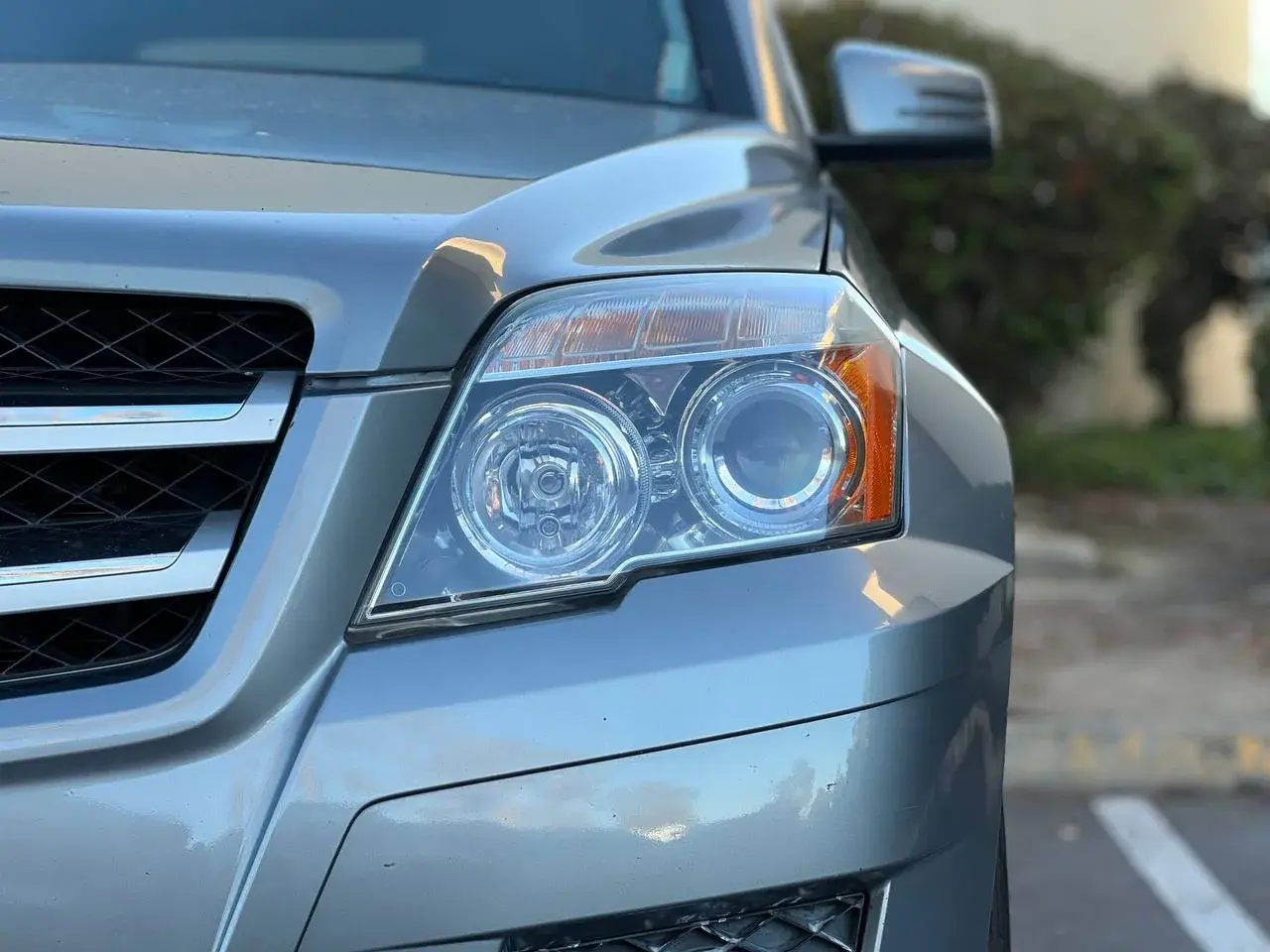
After a wash, step back and look at both lamps in daylight. A dull outer surface, yellow tint or peeling coating can point to damage on the outside. Sun exposure and road grit gradually degrade many plastic lenses. If the damage is limited to the surface and the lens and housing are sound, it may be possible to keep the existing assembly and refinish its lens.
Lens condition can affect the light reaching the road. In a laboratory study of deteriorated headlamps, AAA measured less output from degraded lenses and found that restoration improved output in its test sample. The outcome for an individual Mercedes depends on the lamp’s starting condition and how well the rest of the lighting system works.
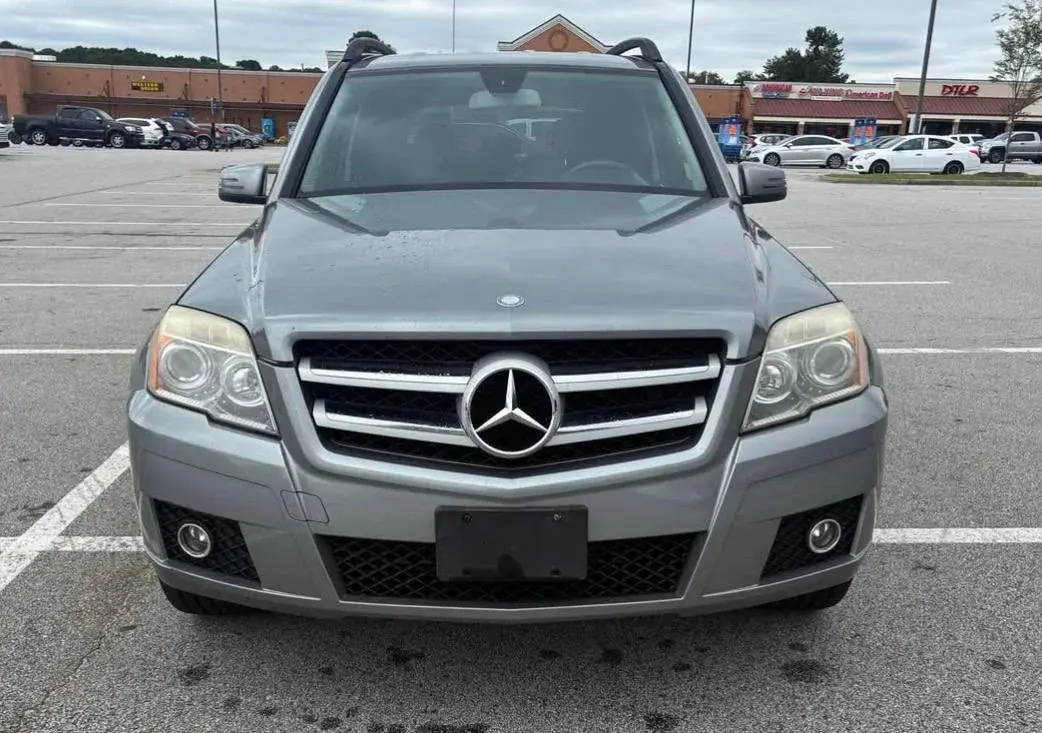
A clear lens and a weak beam call for a different check. If one light looks dim with a clear lens, or you see water droplets inside, we check the lamp, housing and related components. Moisture, deep cracking, damaged mounting points or a lighting warning may call for a separate repair or replacement.
What goes into an exterior lens restoration?
- Inspect both assemblies. We look for surface oxidation, old coating, deeper lens damage and signs of moisture. Comparing both lamps also helps decide whether one or both need work.
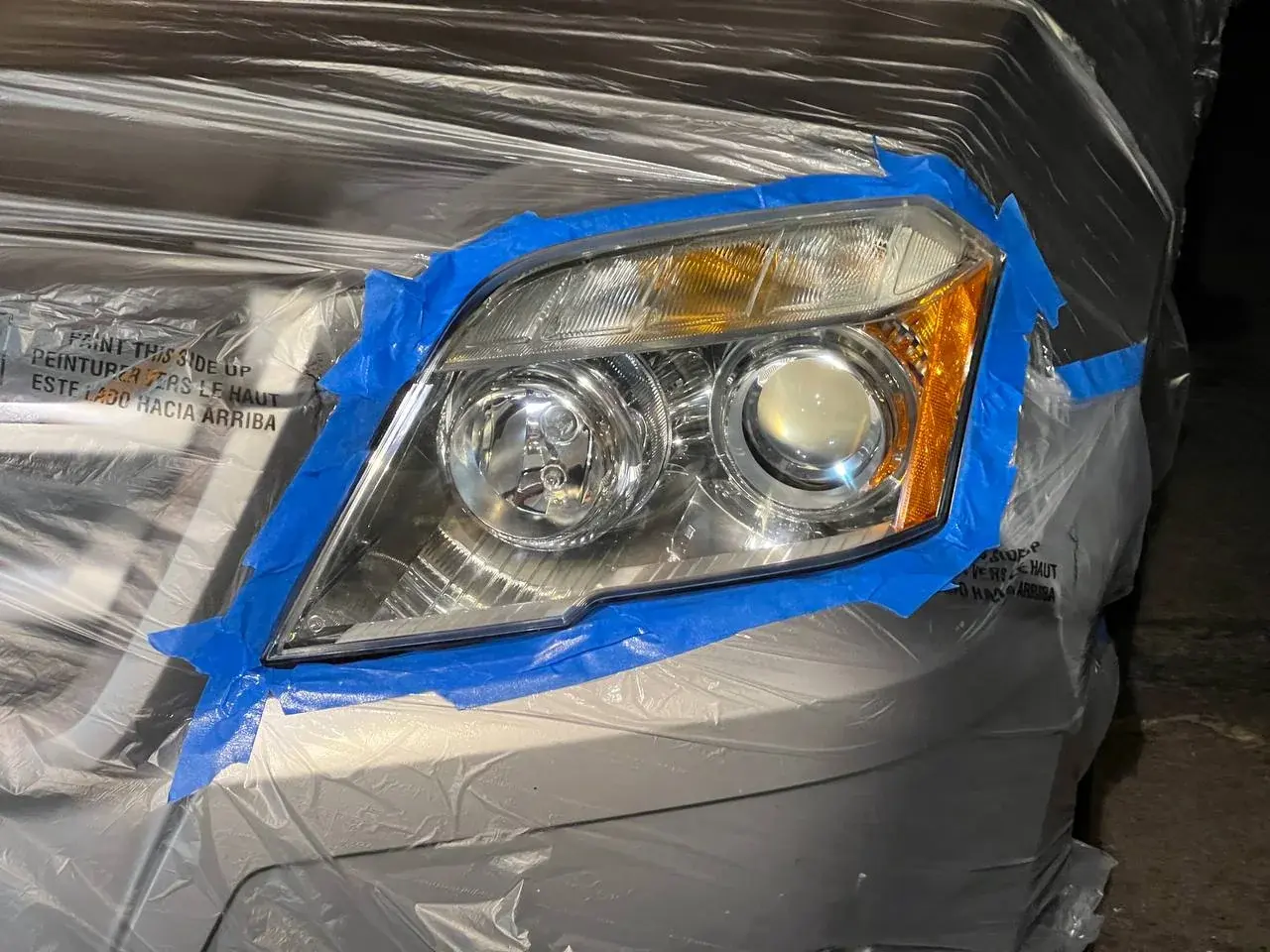
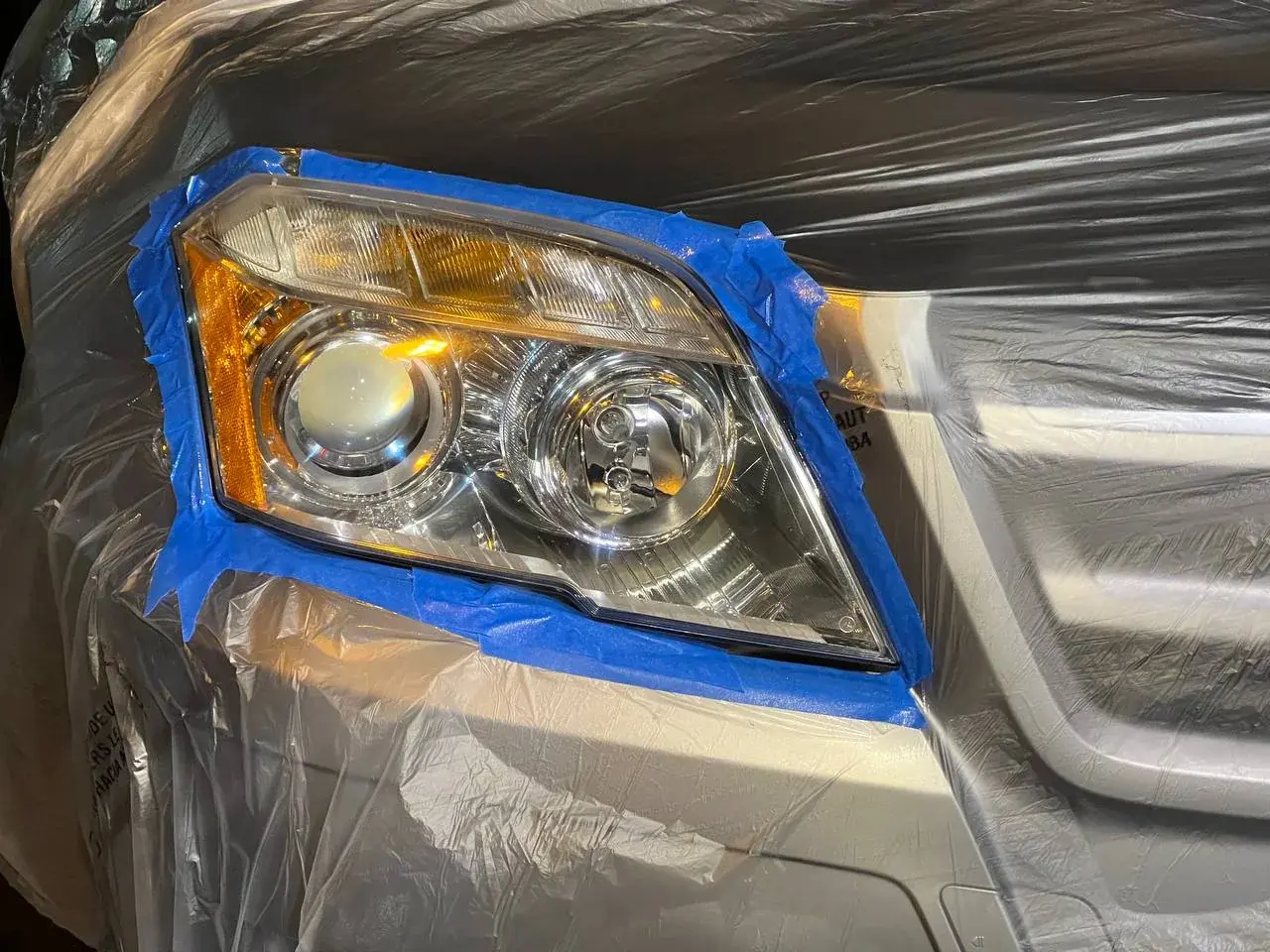
- Protect the paint and trim. The workshop photos show masking around the headlights so adjacent panels can be protected while the lenses are worked on.
- Refinish the outer surface. Where the lens is suitable, the degraded layer is removed and the surface is refined for clarity. A protective finish compatible with the lens helps limit repeat weathering. See 3M’s guide to surface deterioration and restoration limits.
- Check the result. Look at both lenses in daylight and check how the lamps operate. If the beam remains weak, uneven or aimed incorrectly, the next step is to evaluate the lighting system.
How to care for the lenses after restoration
Follow the care instructions for the finish applied. Once that finish is ready for washing, use a soft microfiber cloth and a mild automotive wash. Repeatedly rubbing road grit with a dry cloth can leave fine scratches. If you regularly park outside in San Diego, shade or covered parking can help reduce further UV exposure.
Check both headlamps from time to time in similar light. Haze returning across the surface, a recurring patch of peeling or water collecting inside are different clues. A wide photo of the front and a close-up of the affected area can help us decide what to inspect first. If the problem is poor visibility at night, mention whether it affects one side or both and whether a lighting warning is on.
Frequently asked questions
Can you restore headlights with peeling clear coat?
Often, if the peeling is limited to the exterior coating and the plastic below is sound. We inspect the edges, the depth of the damage and the condition of the housing before recommending a finish.
Why is one headlight still dim when the lens looks clear?
A weak light source, a damaged projector or reflector, an electrical fault or incorrect aim can all make a headlight seem dim. The next step is to compare both sides and test the lighting system.
Does headlight restoration fix condensation?
Exterior refinishing only addresses the outside of the lens. Persistent droplets or water inside the assembly call for a separate check of the housing, seals and vents.
How long does headlight restoration last?
Durability depends on the starting condition, the protective finish used, sun exposure and how the vehicle is washed and stored. We can discuss what to expect after inspecting your lights.
Can you restore just one headlight?
Yes, when only one exterior lens needs the work. We inspect both assemblies so you can compare their condition and decide whether to refinish one side or both.